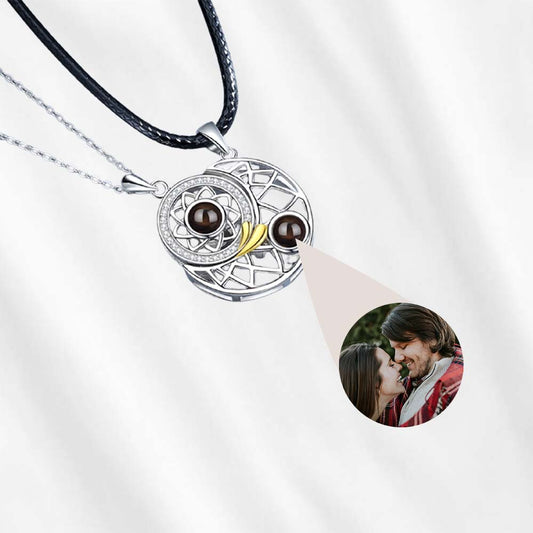
Curated Self Love Self Ornament Jewelry Collection
Jewelry has traditionally been tied to outside milestones. People often wait for a partner to buy them a ring, family to pass down an heirloom, or friends to mark a birthday. A self love self ornament approach turns that idea around. It centers on choosing and wearing pieces purely for yourself. When you decide to buy your own jewelry, the item stops being a passive gift and becomes an active choice. It reflects who you are right now, what you have navigated, and what you want to carry forward.
Adorning yourself with intention does not require a special anniversary or permission from someone else. It can be as simple as putting on a band that brings a feeling of calm when you glance down at your desk, or clasping a pendant that reminds you to breathe during a hectic morning. Wearing jewelry as a personal practice helps shift everyday routines into deliberate moments of care and self-recognition.
Why Buying Jewelry for Yourself Feels Different
When someone gives you a piece of jewelry, it usually carries their taste, their memories, and their idea of who you are. Those gifts can be wonderful, but they operate through someone else's lens. Choosing a piece for yourself works in the opposite direction. You do not have to explain your aesthetic or worry if a design is too quiet, too bold, or too unconventional. You pick it because it resonates with your personal reality.
Psychologically, self-gifting acts as a tangible acknowledgment of your own path. Research and discussions around understanding why self-gifting jewelry feels so empowering point out that selecting an item on your own marks a break from seeking approval from outside sources. Instead of waiting for an external celebration, you confirm your own progress. That might mean marking a quiet personal milestone, like finishing a difficult project, setting a healthy boundary, or simply enduring a tough season.
There is also an intimacy in how you interact with jewelry you chose yourself. You know the exact thought process that led to the purchase. If you bought a bracelet after moving into a new apartment, every time you catch it catching the sun, you remember your independence and courage. It serves as an unspoken anchor throughout the day, providing steady reassurance that does not rely on anyone else's schedule or mood.
This dynamic also removes the guilt that many people feel when spending money on personal items. Jewelry often gets labeled as purely decorative or frivolous. Yet when viewed as a lasting marker of self-respect, it takes on functional emotional value. It is something durable that you interact with continuously, keeping your intentions close to the skin.
Symbols and Motifs That Carry Personal Meaning
People have used personal ornaments as protective or inspirational tools for thousands of years. Early amulets were rarely about social status; they were meant to invoke strength, safety, or harmony with nature. Modern jewelry carries that same lineage, even if we do not always think about it in spiritual terms.
Exploring the historical and symbolic meanings in self-love jewelry shows how classical shapes continue to carry weight today. Many designs draw inspiration from archetypes like Venus or ancient symbols of balance and renewal. These motifs invite wearers to reconnect with their softer, intuitive side while staying rooted in their personal dignity. You do not have to be deeply superstitious to appreciate what a specific shape represents.
Consider how different visual elements function on a daily basis:
- Circles and continuous bands: Universal symbols of wholeness, continuity, and self-acceptance without conditions.
- Organic and imperfect textures: Hammered metals or irregular contours that honor natural growth, resilience, and individuality over sterile perfection.
- Natural stones and minerals: Earthy elements that provide grounding, helping you take a breath when life feels rushed.
- Botanical and floral elements: Representations of patience, blossoming on your own timeline, and honoring natural life cycles.
When you wear an ornament with a shape that speaks to you, it acts as a tactile cue. When your fingers touch a textured pendant during a conversation, or when you twist a ring on your index finger during a commute, that physical action draws your awareness back to your present state. It functions as a gentle reset button built right into your day.

Turning Personal Adornment into a Meaningful Routine
A healthy relationship with yourself is not built in a single afternoon. It forms through small, steady actions repeated week after week. The way you get dressed and put on jewelry in the morning can easily become part of that rhythm, turning a hurried routine into a calming ritual.
Instead of throwing on whatever happens to be on top of the dresser, you can pause for ten seconds and ask what kind of support you need for the hours ahead. If it is going to be a stressful day full of meetings, you might reach for a solid cuff that feels protective and steady. If you need to stay creative and light, a delicate necklace with gentle movement might be the right fit. This small check-in grounds your mindset before you step out the door.
Creating this consistency can take many shapes. Some people set aside time at the end of each month to review their progress, while others look forward to an intentional pause like opening a curated self-care box designed around personal well-being. Having a recurring moment where you slow down, enjoy tactile items, and honor your own needs helps make self-appreciation a sustained habit rather than a fleeting impulse.
The key is consistency over grandiosity. You do not need an elaborate ceremony. The simple act of washing your hands, cleaning your rings, and putting them back on with conscious gratitude for your hands and what they accomplish each day is enough to transform a piece of metal into an instrument of peace.
Choosing Materials That Stand the Test of Time
When curating pieces for your own collection, the materials matter just as much as the look. Choosing solid metals or high-grade finishes is not about vanity or showing off wealth. It is about honoring yourself with items that can withstand everyday life without tarnishing or falling apart after a few wears.
Articles discussing the value of choosing fine jewelry as a statement of self-worth emphasize that longevity mirrors personal commitment. Fast-fashion pieces that turn your skin green or break within weeks often end up in a drawer, discarded and forgotten. When you invest in materials like sterling silver, gold vermeil, or durable gemstones, you choose something built to last alongside you.
Here are several practical considerations to keep in mind when selecting everyday pieces:
- Skin sensitivity: Look for hypoallergenic metals such as nickel-free sterling silver, titanium, or solid gold so you can wear them comfortably all day.
- Daily durability: If you work with your hands or type constantly, low-profile bezel settings or smooth bands are less likely to snag on clothing or bump against desks.
- Versatility: Pick finishes and silhouettes that blend effortlessly with your existing wardrobe so the piece becomes a true signature rather than an occasional accessory.
- Care requirements: Consider how much maintenance you are willing to do. Some metals require regular polishing, while others thrive with minimal attention.
Treating these choices with attention demonstrates that your comfort and long-term satisfaction matter. A well-crafted ring or pendant remains intact through rain, workouts, and travel, serving as a reliable companion over years rather than seasons.
Everyday Ways to Wear Your Pieces with Intention
Once you have gathered items that carry personal significance, how you wear them can reinforce your daily outlook. You do not need to save special designs for formal events. The real power of self-adornment shows up on ordinary Tuesdays, quiet weekends, and long workdays.
One approachable technique is assigning specific intentions to different fingers or sides of the body. For example, wearing a ring on your dominant hand can represent active energy, boundaries, and how you interact with the outside world. Wearing a piece on your non-dominant hand can symbolize receptive energy, inner peace, and personal intuition. This simple distinction gives every glance at your hands an extra layer of clarity.
Layering also offers a creative outlet for personal storytelling. You can combine a minimalist chain you purchased during an important career change with a smaller charm you found while traveling alone. Sitting side by side on your collarbone, they create a visual timeline of where you have been and how much you have grown. You do not need to explain the combination to anyone; its meaning belongs entirely to you.
Pay attention to the physical sensation of your jewelry throughout the day. When you feel overwhelmed or pulled in too many directions, touch your pendant or gently roll a band around your finger. Let the cool metal bring your thoughts back to your breath and your immediate physical surroundings. Over time, that physical touch becomes a built-in reflex for finding center, helping you move through the world with calm self-assurance.