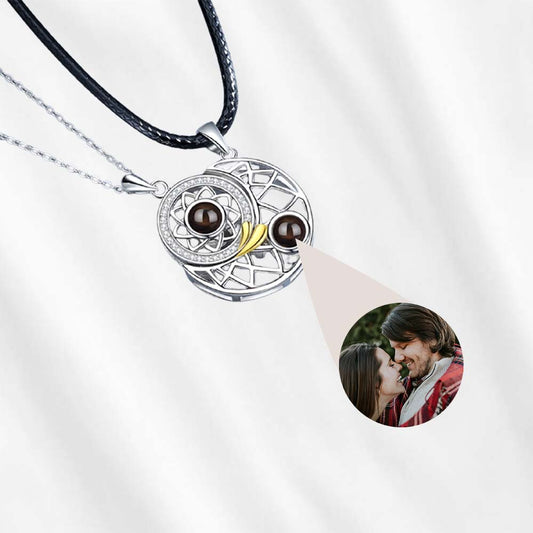
Turquoise Stone With Indian Head Pendant Necklace
Turquoise has held a special place in personal adornment for thousands of years, but across North America, it carries a distinct heritage tied to the desert Southwest and classic frontier craft. A turquoise necklace often acts as an everyday anchor piece, combining the natural blue-green color of mineral deposits with the cool tone of silver or antiqued metal. When paired with a vintage-style portrait medallion, such as a profile inspired by historic American coinage, the necklace gains a grounded, nostalgic feel that stands apart from standard modern jewelry.
Many people gravitate toward this combination because it bridges the gap between rugged utility and casual style. While high-polish gemstone jewelry often stays tucked away in a drawer waiting for formal dinners or weddings, a turquoise pendant is built for daily life. It looks completely natural against a faded chambray shirt, a plain cotton tee, or a heavy denim jacket. The pairing of organic stone and sculpted metal offers a balance of texture and weight that feels comfortable from morning to night.
The History of Coin and Portrait Medallions in Western Jewelry
The practice of turning coins and stamped medallions into wearable jewelry has deep roots in American folk art. During the late nineteenth and early twentieth centuries, metalworkers and itinerant travelers often carved, stamped, or soldered coins to create personal keepsakes. One of the most famous examples was the Buffalo nickel, minted from 1913 to 1938, featuring the profile of a Native American warrior on the obverse side, designed by sculptor James Earle Fraser. Travelers frequently carved these coins into miniature works of art known as hobo nickels, while regional jewelers soldered silver loops onto unaltered coins to wear them on chains or rawhide cords.
At the same time, silversmiths across Arizona, New Mexico, and Nevada began blending European coin-silver melting techniques with traditional lapidary skills. Artisans regularly set small pieces of local turquoise directly alongside or on top of silver coins. The bright blue stone provided an immediate pop of color against the tarnished gray surface of circulating currency. This blend of Americana numismatics and regional stonework gradually spread beyond trading posts and railway stops, entering the broader national consciousness through Western films, roadside travel shops on Route 66, and outdoor utility wear.
Today, portrait pendants capture that same spirit of early craftsmanship. Wearing a coin-shaped medallion with an embossed profile creates an immediate connection to historical American folk design. Instead of looking mass-produced or overly sleek, these pendants carry visual depth, with recessed areas that mimic the natural patina of a coin that spent decades changing hands in general stores and leather pockets.
Understanding Natural Turquoise and Its Unique Patterns
Turquoise is an opaque phosphate mineral composed of hydrated copper and aluminum. It forms over millions of years when mineral-laden surface water trickles down through rock fissures containing copper deposits. The presence of copper produces the iconic blue hue, while trace amounts of iron or aluminum can shift the shade toward apple green, teal, or olive. According to educational materials from the Gemological Institute of America guide on turquoise, the exact geographic environment dictates whether a specimen develops a solid sky-blue tone or a rich web of matrix lines.
The dark lines and webbing running through many turquoise stones are called the matrix. This matrix consists of fragments of the original host rock, which may include limonite, sandstone, or quartz. Rather than being flaws, these spiderweb patterns give each stone its own identity. A clear blue stone offers a crisp, clean aesthetic, while a piece showing black, brown, or gold matrix lines provides an earthy, rustic appearance that matches well with distressed leather and weathered metals.
Because turquoise is relatively soft—measuring between 5 and 6 on the Mohs hardness scale—it is naturally porous. In modern jewelry making, turquoise is often stabilized with clear resins to seal microscopic pores. This process protects the stone from absorbing skin oils, sweat, and environmental moisture, ensuring that the stone retains its original color over years of wear without fading or turning dull.

For anyone wanting an accessible, everyday piece that embodies this timeless Southwestern feel, a turquoise stone with Indian head pendant necklace serves as a versatile staple that balances historical tribute with easy wearability.
Styling a Turquoise Necklace for Everyday Outfits
One common misconception about Western-style jewelry is that it requires an entire closet of cowboy boots, fringe, and wide-brim hats. In reality, a turquoise pendant functions much like a silver signet ring or a leather watch strap: it works best when treated as a subtle accent rather than part of a costume. Because blue is naturally neutral in clothing design, turquoise complements almost every basic color already in your closet.
Here are several practical ways to work a turquoise medallion necklace into your regular routine:
- Monochrome Casual: Wear the pendant over a plain black, charcoal, or heather gray crewneck t-shirt. The muted fabric creates a dark canvas that lets both the stone and the silver medallion stand out without competing with complex graphics or prints.
- Classic Denim and Workwear: Pair the necklace with an unbuttoned denim shirt or an olive canvas field jacket over a white undershirt. The earthy blue of the stone mirrors indigo dyes, while the vintage metal finish complements brass snaps and copper rivets.
- Warm Earth Tones: Combine turquoise with tan, camel, rust, or cream knitwear. Warm browns and cool blues sit opposite each other on the color wheel, creating an organic visual contrast that feels intentional and relaxed.
- Summer Linen: During warmer months, wear the necklace against bare skin with an open-collar linen shirt. The cooler shade of the turquoise brings a fresh feel to light, breathable summer fabrics.
When styling for casual settings, keeping the rest of your accessories simple is usually the best approach. A single leather wristband or a plain silver cuff provides enough companionship without making your neckline feel crowded.
Layering Chains with a Focal Medallion
Layering multiple necklaces has become one of the most popular ways to wear jewelry, but it can quickly turn messy if chain lengths and thicknesses are not planned carefully. When wearing a pendant that features both a detailed medallion and a stone accent, that piece should remain the focal anchor of the arrangement.
A reliable approach is the two-chain setup. Start by wearing your turquoise pendant on a medium-length chain, usually between 20 and 24 inches. This positions the pendant directly over the center of the chest. Then, add a shorter, simpler chain—such as an 18-inch curb or box chain—without any pendant attached. The shorter chain frames the upper neckline, while the lower pendant draws the eye downward. Keeping the shorter chain relatively slim ensures that it does not distract from the details on the medallion.
If you prefer a three-chain stack, vary the textures. You might pair a fine rope chain at 18 inches, a small beaded or flat snake chain at 20 inches, and your medallion pendant at 22 or 24 inches. Make sure all metal components share a similar antique or brushed finish. Mixing high-shine mirror polish with heavily oxidized vintage metal can create a disjointed look, whereas matching matte or aged finishes ties the whole group together.
Selecting the Right Chain Length and Metal Finish
The length of the chain alters how a pendant sits on your body and how it interacts with different shirt collars. Choosing the right chain length comes down to your chest build, collar preferences, and daily physical activity:
- 18 Inches: Sits near the base of the neck, right above the collarbone for most people. This length keeps the pendant visible even when wearing a standard crewneck tee or a polo buttoned to the second hole. It stays close to the skin and will not swing around during active movement.
- 20 Inches: The most common universal length for men and women. It rests just below the collarbone, tucking neatly inside an open-collar button-down or sitting cleanly on the front of a t-shirt.
- 22 to 24 Inches: Drops down to the middle of the sternum. This length is ideal for heavier coin medallions because the extra drop gives the pendant room to hang naturally without crowding the throat. It also makes slipping the necklace over your head easy without unclasping it.
- 26 to 28 Inches: A longer statement length often used for layering over thick knit sweaters, hoodies, or winter outerwear.
The metal finish around the stone also plays a big role in the overall feel. Polished silver gives off a brighter, modern Southwestern look, while antiqued,